Film's catalog

Loading...
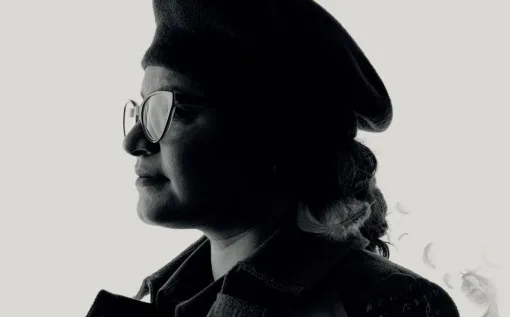
Film resistance against oblivion
The film How I Became a Partisan is young Roma director Vera Lacková’s feature-length debut. Director Vera Lacková reveals, against the background of her own family history, the turbulent life stories of five Roma partisans. She searches in archives and village chronicles. Through interviews with descendants and those who remember the war she dismantles the cliché of Roma as mere victims of Nazism. One of the film’s great strengths is the author’s open and personal desire to ensure that the story of her great grandfather, Ján Lacko, and other Roma who were active in the antifascist resistance is not forgotten. The film combines past and present, searching and discovery, and engages with deep-rooted stereotypes against Roma. How I Became a Partisan is among other things a highly personal awakening of the director’s own Roma identity. It is the story of the director herself.
Vera Lacková says of the film: “This is my personal theme. My family has told stories about my great grandfather all my life, and I promised my grandmother that I would help to keep alive his legacy and the legacy of all the Roma in the resistance. In a way it is my mission, but as the film’s author I don’t consider it to be a disadvantage. On the contrary, I believe that it is thanks to my personal involvement that I am capable of concentrating fully and producing my best work. That doesn’t mean that I let myself be carried away by emotions and get sentimental about my ancestor – the film tells not only his story but four further ones.“